Advanced Market Dynamics and Analytical Metrics
Within the contemporary landscape of high-precision gem acquisition and industrial procurement, quartz has transitioned from a fundamental mineral to a complex subject of technological scrutiny.
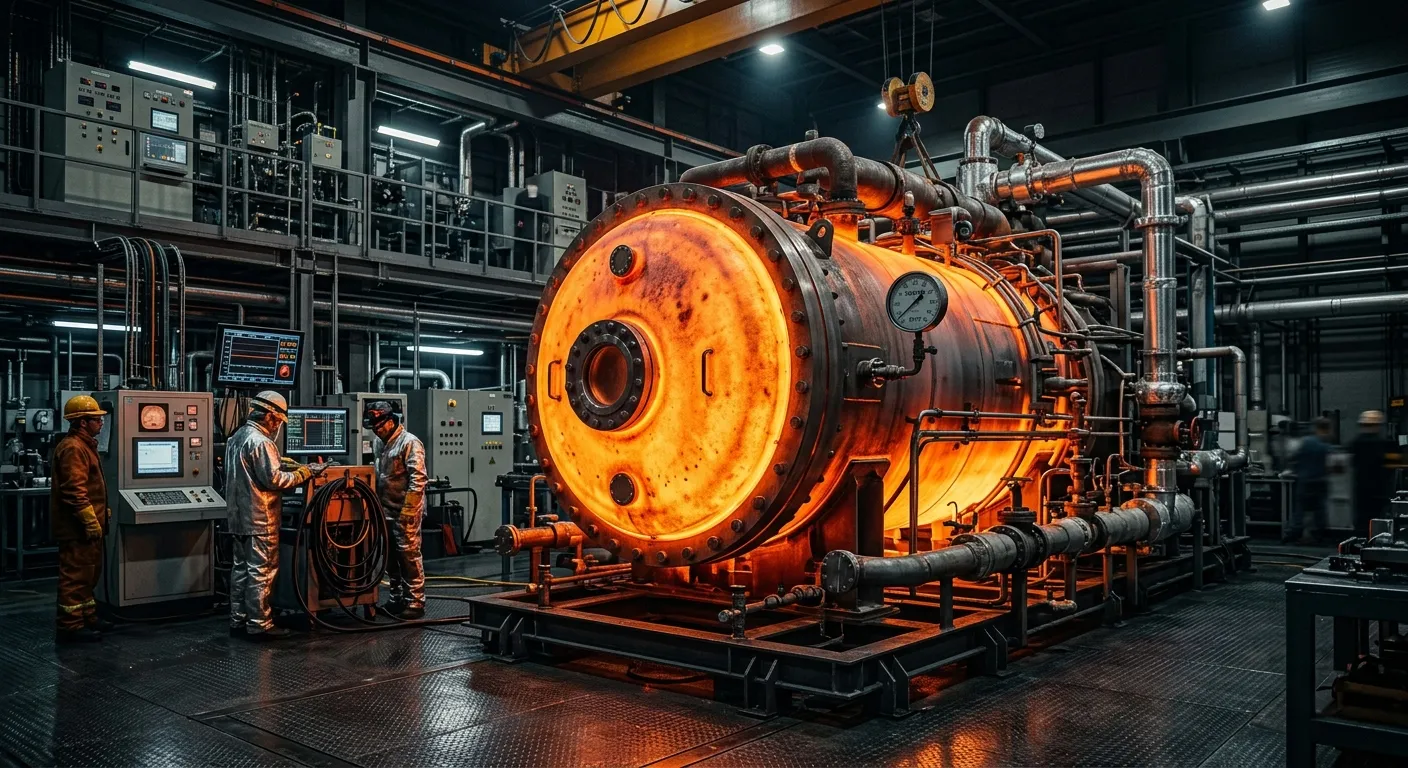
The widespread adoption of the hydrothermal growth process for synthetic quartz represents a sophisticated shift in market integrity.
Unlike primitive glass imitations, modern hydrothermal quartz remains chemically identical to natural quartz, sharing its physical and optical properties.
Consequently, the industry has witnessed a transition where lab-grown materials have evolved from specialized industrial components into pervasive market variables, particularly affecting the amethyst and citrine sectors.
This comprehensive overview examines how these synthetics are engineered to eliminate the irregularities typically found in geological specimens, necessitating a transition toward micro-analytical verification.
The Scarcity-Value Divergence
Historical market observations indicate that the primary metric for evaluating any quartz lot involves a comparison between internal purity and historical pricing trends.
Natural quartz varieties, such as citrine and amethyst, inherently carry costs associated with geographic extraction and ethical sourcing overhead.
Comparative analysis of internal purity vs. historical pricing trends.
When a high-carat, eye-clean specimen is presented at a price significantly below established citrine average retail prices, the probability of hydrothermal origin increases.
Authentic natural stones of significant size command a scarcity premium that lab-grown alternatives—produced in high-volume autoclaves—cannot logically sustain within a balanced market.
Structural Integrity and Defect Profiling
Industrial growth environments facilitate a level of control that geological processes rarely replicate.
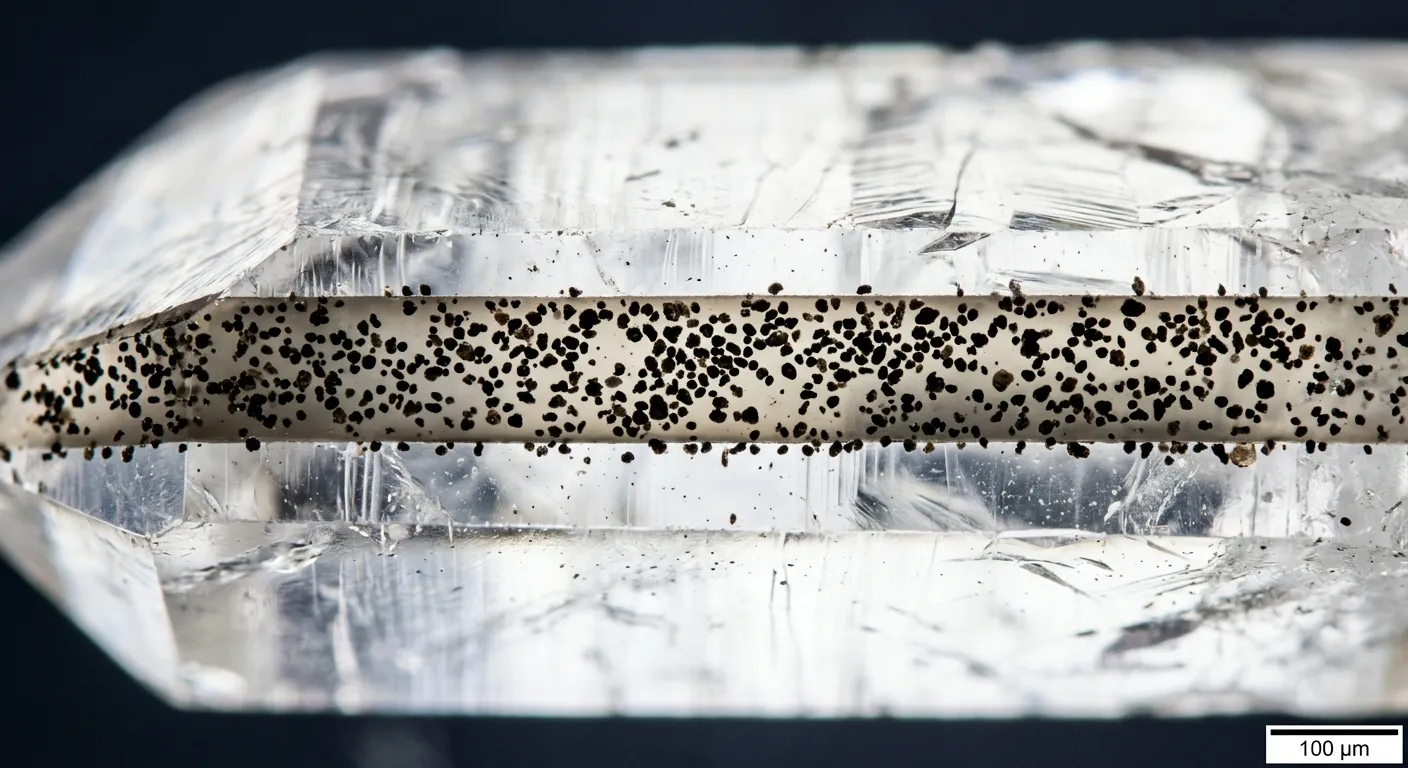
This distinction is measured through the lens of structural integrity and the absence of characteristic "growth stutters" found in natural crystals.
Through qualitative observation under high-magnification gemological microscopy, specialists search for the absence of structural point defects.
A specimen that appears entirely "quiet," lacking any fluid inclusions, negative crystals, or mineral needles, serves as a high-risk candidate for hydrothermal synthesis.
Trace Element Distribution and Precision
The chemical profile of synthetic quartz is often defined by the precise introduction of dopants.
Hydrothermal growth allows for the intentional "painting" of crystals with iron or cobalt to achieve specific saturation levels.
Professionals evaluate the resulting color not by its aesthetic appeal, but by its spatial distribution.
In hydrothermal synthetic quartz citrine, iron impurities are often distributed with a mathematical uniformity that diverges from the natural laws of fluctuating geothermal environments.
If the color appears devoid of natural variation, the asset value as a natural specimen is significantly compromised.